What makes a place feel like home? Is it the familiar food on the dinner table, the language spoken around us, or the people who make us feel welcome? For children who leave their homeland behind, the answer often lies in small, meaningful experiences that bring comfort and connection during unfamiliar times.
Moving to another country can be both an opportunity and an emotional challenge. Children must adjust to different routines, unfamiliar traditions, and new social environments while carrying memories of the lives they left behind.
In 1961, eight-year-old Luli arrived in the United States from Marianao, Cuba, with her mother and younger brother. Reunited with her father after more than two years of separation, she began discovering what life in Hinsdale, Illinois, would mean for her family.
Her journey, portrayed in Luli’s Sad Farewell by Lourdes Fasani, demonstrates how belonging can grow through everyday acts of understanding, generosity, and courage.
Kindness Makes the Unfamiliar Less Frightening
For a kid joining the classroom without knowing the language, even the simplest tasks can become a source of fear.
In the case of Luli, who joined the third-grade classroom of Mrs. Stevens, she did not speak English fluently. Yet, her fellow students received her with warm welcomes, and the teacher assisted her in participating in the classroom activities.
While having Thanksgiving class, Mrs. Stevens put down on the paper Luli’s words expressing her gratefulness, since Luli was not able to write in English yet.
Thus, with this kind act, Luli was able to say how she felt: glad to be with her dad again.
Courage Often Appears in Everyday Experiences
Adapting to another culture requires children to navigate situations that others may consider ordinary.
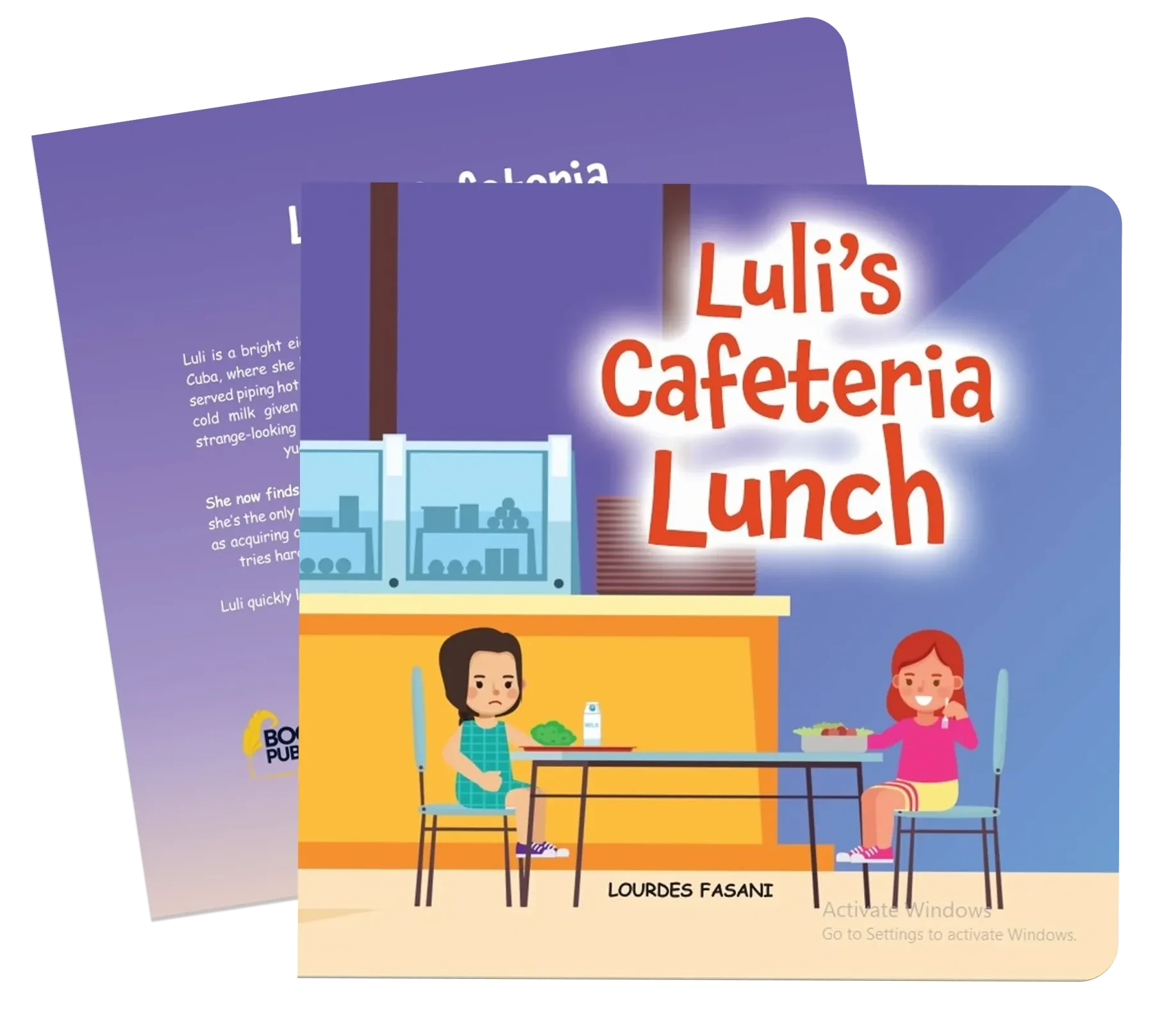
In Luli’s Cafeteria Lunch, Luli encounters cold milk and steamed broccoli, foods that differ from those she enjoyed in Cuba. Her mother helps by preparing powdered cocoa and garlic powder, making these unfamiliar foods more appealing.
What appears to be a simple lunchtime adjustment represents something meaningful: learning to embrace change without immediately abandoning familiar comforts.
For immigrant children, courage can mean trying something unfamiliar, participating despite uncertainty, or gradually becoming comfortable in a new environment.
Community Helps Create Lasting Connections
Families often discover a sense of belonging through the generosity of people around them.
In Luli’s First Autumn, a neighbor named Lisa makes Halloween costumes for Luli and her brother when purchasing costumes would be difficult for their family.
Later, in Luli’s First Thanksgiving, neighbors welcome the family into their home to celebrate an American holiday together.
These experiences show how community connections can help newcomers feel included while providing opportunities to share cultural traditions.
Finding Home Without Forgetting Your Roots
While Luli witnesses her first experience with snow and Christmas in Illinois, her memories of Cuba form part of their holiday celebrations. Foods, languages, and traditional practices will continue to remind her of where she comes from.
When children find themselves in a new environment, maintaining one’s culture and learning new customs do not have to clash with each other.
One can learn how to respect the child’s culture, encourage participation in activities, and understand that traditions matter for both.
Home will always come about from a combination of people, not necessarily places.
A welcoming smile, a thoughtful gesture, or an invitation to share a tradition may seem small, but for a child beginning again in an unfamiliar country, these moments can become the foundation of belonging.
Available On Amazon: https://www.amazon.com/stores/Lourdes-Fasani/author/B0FVGJBMBR
Visit the Author’s Official Website: https://lourdesfasanibooks.com/