Imagine moving to a country where the seasons look different, the food tastes unfamiliar, and the holidays you grew up celebrating are no longer part of everyday life. For immigrant children, these changes can be exciting, confusing, and sometimes overwhelming. While discovering new traditions creates opportunities for growth, maintaining a connection to one’s cultural roots provides an equally important sense of identity and belonging.
For eight-year-old Luli, leaving Marianao, Cuba, in 1961 meant entering an unfamiliar world in Hinsdale, Illinois. Following the Cuban Revolution, she and her family began rebuilding their lives while preserving the memories, customs, and values they brought from home.
Her experiences, reflected in Luli’s First Autumn by Lourdes Fasani, reveal how childhood cultural identity can develop through both familiar traditions and new discoveries.
Discovering New Traditions Through Curiosity
Children often experience cultural differences through ordinary moments that adults might overlook.
For Luli, autumn brought colorful maple leaves unlike anything she had seen in Cuba. Halloween introduced pumpkin carving, costumes, and school parades, traditions that were unfamiliar to her.
Although her family faced financial difficulties, their neighbor Lisa helped create homemade Halloween costumes for Luli and her younger brother, Mayi. Participating in the parade allowed the children to experience a new celebration without placing additional financial pressure on their parents.
Such moments demonstrate how curiosity, encouragement, and community support can make cultural adjustment more meaningful.
Keeping Cultural Roots Alive at Home
While children explore new environments, familiar family traditions can offer comfort and continuity.
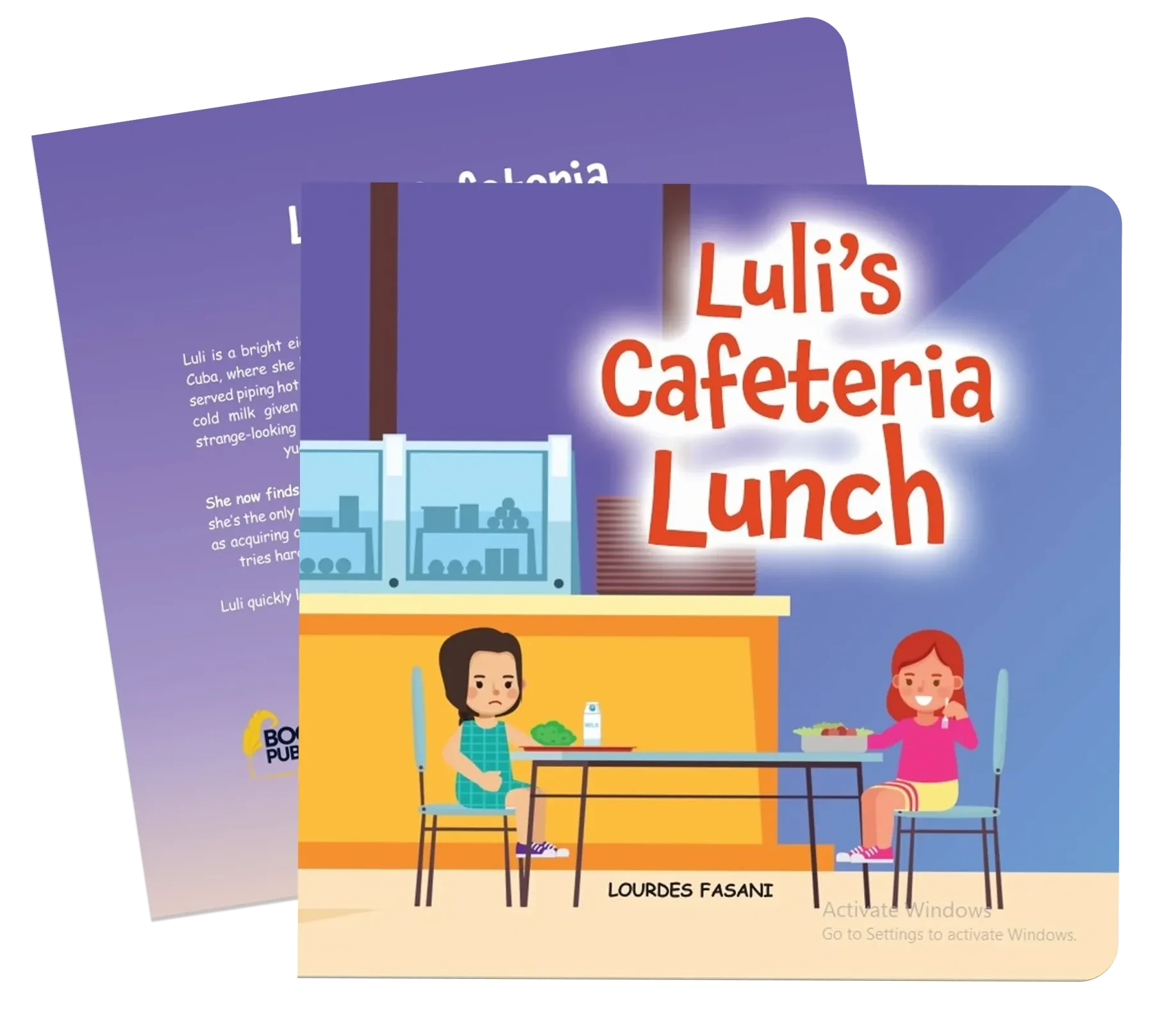
In Luli’s Cafeteria Lunch, everyday differences become apparent when Luli encounters cold milk and steamed broccoli at school. Accustomed to warm café con leche and traditional Cuban foods, she initially struggles with these unfamiliar options.
Her mother responds creatively by providing cocoa powder and garlic powder, allowing Luli to enjoy her cafeteria lunch while gradually adjusting to new tastes.
This experience illustrates that cultural adaptation does not have to involve abandoning familiar preferences. Instead, children can discover ways to appreciate new experiences while maintaining meaningful connections to their upbringing.
When Different Traditions Come Together
Cultural identity becomes especially meaningful when families have opportunities to share their customs with others.
In Luli’s First Thanksgiving, her family celebrates the American holiday with welcoming neighbors. The gathering brings together familiar Thanksgiving foods and traditional Cuban dishes.
The shared meal becomes more than an introduction to another holiday. It provides an opportunity for families from different cultural backgrounds to connect through generosity, gratitude, and hospitality.
Similarly, Luli’s First Snowfall portrays a family celebrating Christmas in a snowy American setting while remembering Cuban foods, family memories, and the tradition of Los Reyes Magos.
These experiences demonstrate that embracing a new culture does not require leaving cherished traditions behind.
Helping Children Build a Sense of Belonging
Parents, teachers, and communities play meaningful roles in helping children navigate cultural change.
By encouraging participation in new activities while respecting familiar customs, adults can create environments where children feel comfortable exploring different ways of life.
Luli’s experiences remind us that cultural identity is not something children must choose between preserving and changing. It can grow through memories, relationships, and shared experiences.
The greatest gift we can offer children adapting to a new culture is the freedom to discover new traditions while remaining connected to the people, values, and memories that make them who they are.
Available On Amazon: https://www.amazon.com/stores/Lourdes-Fasani/author/B0FVGJBMBR
Visit the Author’s Official Website: https://lourdesfasanibooks.com/