Think about how it would be like to be eight years old and to leave behind all that is familiar – your home, family members, friends, native language, and all the routines. Simple things such as having lunch, going to school or spending holidays can be difficult. Life for an immigrant child does not only involve adapting to the new place but also finding his/her place in it.
It was in 1961 that eight-year-old Luli, along with her mother and little brother, Mayi, had to leave Cuba and relocate to America as a result of the Cuban Revolution. The purpose of their moving to another country was to reunite with Luli’s father who had not been seen for more than two years. However, moving away from her home country made her say goodbye not only to her grandfather, but also to her favorite doll at the airport.
This vivid story described in Luli’s Sad Farewell by Lourdes Fasani helps us understand the essence of immigration.
Finding Belonging Beyond Language
For children entering unfamiliar classrooms, language can become an immediate obstacle. When Luli began third grade in Hinsdale, Illinois, she could not communicate fluently in English. Although her classmates welcomed her, everyday activities required patience, understanding, and encouragement.
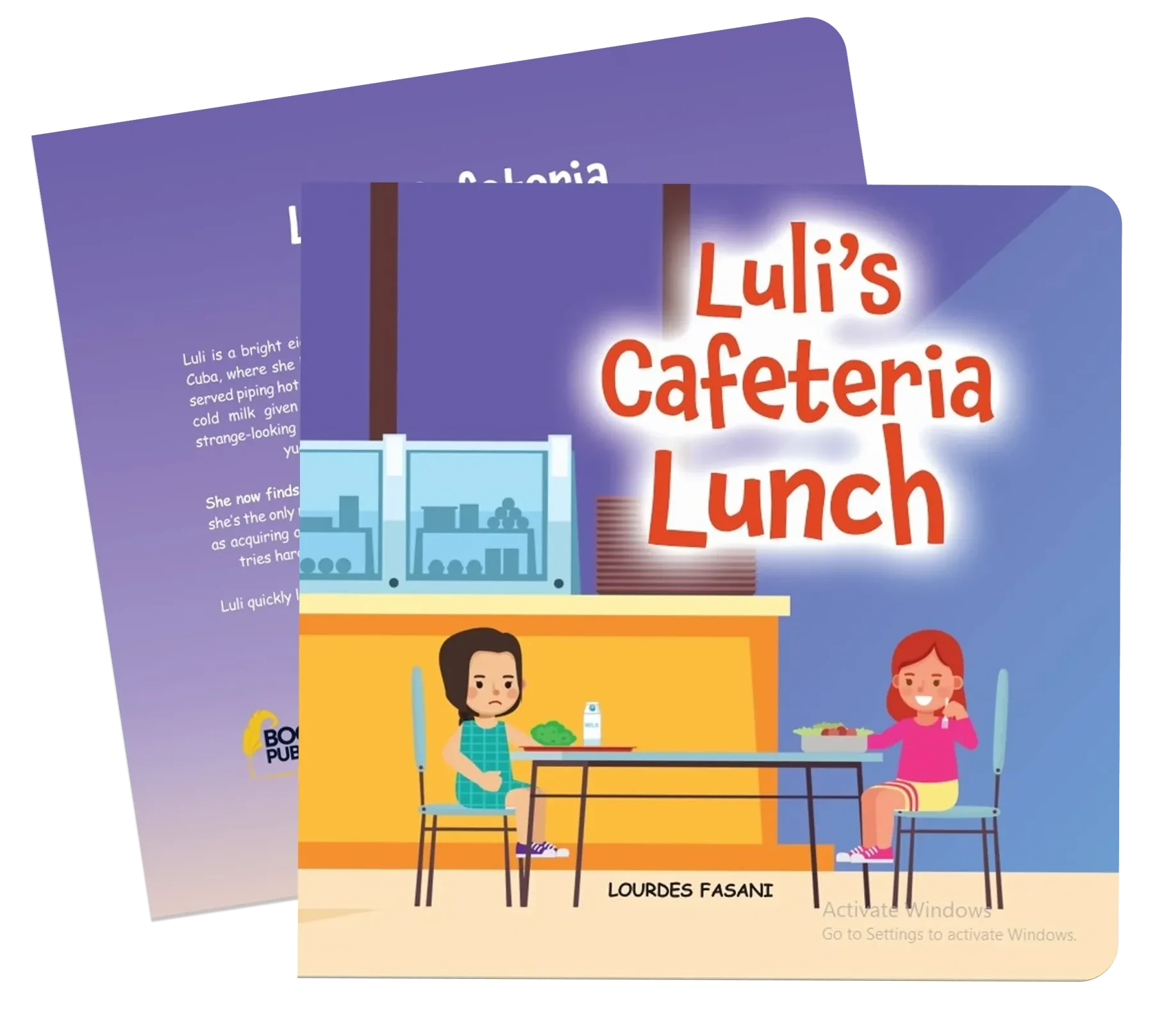
Not even lunch was without complications. Having grown up on warm cafe con leche and classic Cuban food, Luli had problems adjusting to icy milk and steamed broccoli. But in her “Luli’s Cafeteria Lunch,” Luli’s mother found an ingenious solution by adding powdered cocoa and garlic powder, thus making it easier for her daughter to enjoy these foods.
In spite of its simplicity, this example reflects a good strategy of cultural adaptation. It is not necessary for children to give up their likes in order to accept something new. Sometimes, the process of adapting to two cultures can start from a simple dinner.
Preserving Identity While Embracing Change
As autumn arrived, Luli encountered colorful falling leaves, Halloween costumes, and pumpkin carving for the first time. Winter introduced snow-covered streets and Christmas celebrations that contrasted with her memories of Cuba.
These experiences expanded her understanding of American traditions without erasing her Cuban identity. Familiar foods, Spanish conversations, and cherished family customs remained important connections to her homeland.
Her first Thanksgiving offered another example. In Luli’s First Thanksgiving, American neighbors welcomed Luli’s family to share a holiday meal. Traditional turkey and pumpkin pie were served alongside Cuban dishes, including congrí, yuca, plantains, and flan.
Rather than choosing between cultures, both families celebrated their differences through hospitality and shared traditions.
Why Compassion Makes a Difference
Supportive figures have played significant parts during Luli’s acculturation process. She was motivated by her teacher, her mother came up with innovative ideas while the kind neighbors helped the family take part in new celebrations.
These experiences motivate parents, educators, and community members to realize how small actions can help in making the unfamiliar environment feel friendly.
Belonging for immigrant children should not be about forgetting their past. It is about realizing that their past, language and culture still have a role in their present life.
It is not just about having a new place to belong. It is more than that; it is about finding a new place to develop but not lose their identity.
Available On Amazon: https://www.amazon.com/stores/Lourdes-Fasani/author/B0FVGJBMBR
Visit the Author’s Official Website: https://lourdesfasanibooks.com/